New here?

Create your first PickBox

Start with a link to a video or playlist you love.

Create PickBox
The website opens separately. Close it to return here.

Welcome to PickTube

Become a First 100 Picker

Publish your first PickBox with your own selections and earn a First 100 badge as a mark of being part of PickTube’s beginning.

Public PickBoxes are reviewed by the PickTube team for First 100 Picker selection.

Create your first PickBox

Explore Boxes

D.I.D.10/12/2026
5 Creative Ways People Celebrate Halloween 🎃👻

With Halloween coming up, I've been watching a bunch of Halloween videos on YouTube lately. I came across some really fun and creative ones, so I thought I'd put a few of my favorites together and share them here. There are people turning a YouTube logo into a monster, building animatronics, carving some seriously impressive pumpkins, and making tiny haunted houses. I also found a video of an insanely decorated Halloween yard in California. I honestly didn't realize how much effort and creativity people put into Halloween! They're all pretty different, so you don't have to watch them in any particular order. Just pick whatever looks interesting. Hope you find something you enjoy! 🎃

VIDEO NOTE 1
1. Turning the YouTube Logo Into a Monster | Wicked Makers (via YouTube) 👹I never would've thought of turning the YouTube logo into a Halloween monster, but someone actually did it! I love how such a familiar logo can become something so weird and creepy. It's a fun reminder that Halloween ideas can come from pretty much anywhere. If you're into unusual DIY projects or just enjoy seeing creative ideas come to life, this one's worth checking out.
VIDEO NOTE 2
2. We Built Our First Animatronic Again | Wicked Makers (via YouTube) 🧟These creators decided to go back and remake one of their very first animatronic monsters, Huggy Wuggy, using everything they've learned since then. I think it's really cool to see people revisit an old project and find ways to make it better. It's not just about building a creepy monster — it's also about seeing how much their skills have improved. If you enjoy creative builds, behind-the-scenes processes, or watching people get better at something they love, this one's worth a look.
VIDEO NOTE 3
3. 13 Levels of Pumpkin Carving: Easy to Complex | WIRED (via YouTube) 🎃I Had No Idea Pumpkin Carving Could Get This Complicated! I always thought pumpkin carving was mostly about cutting out funny or scary faces. Turns out there's a lot more to it! In this video, a professional pumpkin carver walks through 13 levels of carving, from simple designs to some seriously impressive techniques. It's pretty amazing how much detail you can get out of a single pumpkin. I especially like that you can see how the techniques get more advanced step by step. If you've ever carved a pumpkin for Halloween, or just enjoy watching skilled people do their thing, this is a fun one to check out. Levels 1-4: Foundation & Basics Level 1 (0:45): Basic jack-o'-lantern carving using a classic triangle design. Level 2 (2:21): Embellished jack-o'-lanterns, adding character through facial expressions and extra teeth. Level 3 (3:46): Realistic pumpkin carving, focusing on light representation and shadows. Level 4 (6:03): Adding backgrounds to create narrative and depth. Levels 5-8: Advanced Techniques Level 5 (7:25): Layered carving to achieve various shading effects using the pumpkin's natural translucency. Level 6 (9:06): Back carving, shaving the interior of the pumpkin wall for subtle highlights. Level 7 (10:51): 3D sculpting, treating the pumpkin like stone or wood for depth and form. Level 8 (13:22): Sculpting a 3D background to enhance the main subject. Levels 9-13: Complex Artistry Level 9 (15:17): Attaching additional pumpkin pieces using dowels and adhesive. Level 10 (16:53): Integrating internal lights for specialized accents. Level 11 (18:27): Using multiple pumpkins to build larger, multi-part structures. Level 12 (20:11): Painting the pumpkin to add shadow and definition. Level 13 (21:34): Pushing the limits with armatures, mechanical servos, and mixed-media techniques to create a "pumpkin zombie."
VIDEO NOTE 4
4. How to Make Miniature Haunted Halloween House | Cardboard Design (via YouTube) 🏚️A Tiny Haunted House That's More Cute Than Scary! I wanted to pick something a little different this time, so I went with this adorable miniature Halloween house! It's amazing how much detail you can create with just cardboard and a little imagination. The tiny rooms and Halloween decorations are so cute, and it's fun watching everything come together. I think kids would really enjoy this one, too. It's a nice change from all the scary monsters and creepy Halloween decorations. If you love miniatures, cute crafts, or just watching people make tiny things, this one's for you! Timestamps from YouTube 0:00 | Intro video 0:28 | How to Make Miniature Haunted Halloween 2023 House 09:40 | Relax with my Haunted Halloween 2023 House 10:20 | Build Halloween Haunted Palace from Cardboard 18:20 | Admire the Halloween Palace 19:35 | Make 2 Bedroom Hello Kitty Halloween House 29:10 | Relax with my Hello Kitty Halloween House
VIDEO NOTE 5
5. THE ULTIMATE HALLOWEEN YARD DISPLAY | INSANE HAUNTED HOUSE & ANIMATRONICS FULL TOUR | Dreamland Mouse (via YouTube) 👻A Halloween Night in Burbank, California 🎃 I found this video of a house in Burbank, California, and wow, they really went all out for Halloween! There are giant skeletons, glowing pumpkins, moving monsters, and spooky lights everywhere. It almost looks like a little theme park! I love seeing how much effort people put into decorating their homes for Halloween. It's amazing how an ordinary yard can turn into something like this. There's no talking or narration, so you can just relax and enjoy looking around. If you love Halloween decorations or you're curious about how people celebrate Halloween in the US, this one's definitely worth a look!

JungleHuman10/05/2026
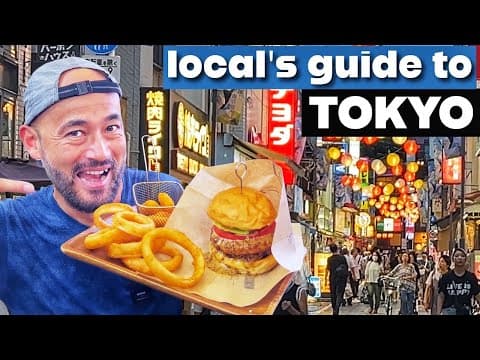
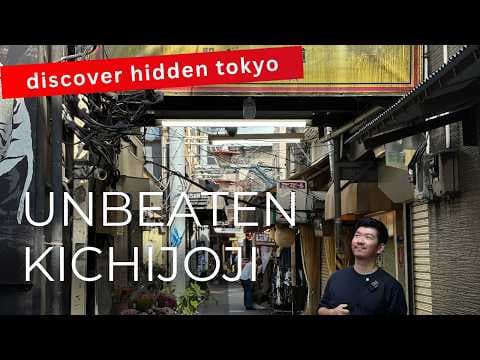
Where to Spend a Few Hours in Tokyo: 4 Neighborhoods Compared
WHAT
Choosing where to spend a few relaxed hours in Tokyo? These four videos bring together different creators’ views of Shimokitazawa, Koenji, Kichijoji, and Yanaka–Nezu. • Shimokitazawa — vintage shopping, cafés, and creative spaces such as Bonus Track. • Koenji — shopping arcades, everyday shops, and plenty of food stops. • Kichijoji — Inokashira Park, narrow alleys, and coffee breaks. • Yanaka–Nezu — older streets, local snacks, neighborhood shops, and Nezu Shrine. We chose one video for each area so you can compare both the places and the ways people spend time there. Browse the shops, linger over lunch, or leave room for a long walk—which sounds like your kind of Tokyo day? Have a favorite video about one of these neighborhoods—or another Tokyo area worth comparing? Share it in the comments.
VIDEO NOTE 1
Shimokitazawa: Vintage Shops, Matcha & Café StopsTokyo Cheapo’s 15-minute guide brings together vintage shopping, matcha, cafés, and Bonus Track, with brief detours to nearby areas. There are ideas here for an afternoon of browsing, eating, and taking breaks. Selected moments 00:36 — Matcha at Matcha Passport 04:58 — Exploring Bonus Track 06:24 — Vintage shopping 10:21 — Coffee 13:46 — Kitazawa Hachiman Shrine Why we picked it We chose this guide for its mix of shopping, food, and café stops—useful for deciding whether Shimokitazawa fits the kind of day you want.
VIDEO NOTE 2
Koenji: Shopping Streets, Doughnuts & Neighborhood EatsTabiEats spends a day in Koenji, moving between shrines, shopping streets, small shops, and food stops. The route includes PAL and Look shopping streets, with breaks for doughnuts, burgers, and coffee. Places to look out for PAL & Look — shopping streets and small shops Floresta — doughnuts Awajishima Burger — burgers Monsta Sweets & Ojizo Coffee — coffee and sweets Why we picked it Everyday shops and lanes beneath the railway add another side to our neighborhood comparison. This guide is a useful choice if you like a walk with plenty of places to stop and eat.
VIDEO NOTE 3
Kichijoji: Park Walks, Small Alleys & Coffee BreaksThis walk with Tokyo Kenchan connects the narrow lanes of Harmonica Yokocho with Inokashira Park and café stops. The route also includes Musashino Hachimangu Shrine. Places to look out for Harmonica Yokocho — narrow alleys with small shops and bars Inokashira Park — a walk around the pond Musashino Hachimangu — a shrine stop Tiny Ponta Coffee & Café Arg — places to pause for coffee Why we picked it The park brings time outdoors into our neighborhood comparison. Consider Kichijoji if your ideal afternoon includes exploring small streets, walking by the water, and settling into a café.
VIDEO NOTE 4
Yanaka & Nezu: Old Streets, Local Snacks & a Shrine WalkEnglish subtitles available. A walk with freya c. diary through Yanaka’s small shops and snack stops, including canelés, roasted sweet potatoes, and menchi-katsu. There’s a café break at Hagiso, a visit to Nezu Shrine, and Mont Blanc at Waguriya to finish. Selected moments 00:34 — Yanaka Matsunoya 04:01 — Menchi-katsu at Niku no Suzuki 05:13 — Café break at Hagiso 07:55 — Nezu Shrine 11:20 — Mont Blanc at Waguriya Why we picked it We end the collection with neighborhood shops, snacks, and a shrine visit. Consider Yanaka–Nezu if you enjoy historic streets, browsing local shops, and stopping for something to eat along the way.
JungleHuman10/04/2026
4 YouTube Videos for Better Phone Photos: Light, Composition & Editing
WHAT
Four videos on light, composition, everyday phone photography, and editing—different perspectives to help you make more of the camera you carry. The first two videos cover light and composition through general photography lessons, with ideas you can apply to phone photos. The next two focus on phone photography tips and editing in Snapseed. The order follows the process of making a photo: notice the light, decide what belongs in the frame, take the shot, and refine it. Try one idea with a photo of your own. A portrait, a cup on the table, or a familiar street is a good place to start.
VIDEO NOTE 1
Light: 10 Tips for Better Portraits in Natural Light | Julia TrottiTen common mistakes when photographing portraits in natural light, explained through photo examples. Learn to notice background brightness, the time of day, and the direction of light. The demonstrations use a camera, but the advice on positioning yourself and your subject applies to phone photos too. Selected moments 00:27 — Balancing the light on your subject and background 01:28 — Working with midday sunlight 04:30 — Paying attention to the direction of light 06:31 — Finding the catchlight in someone’s eyes 09:23 — Choosing a location for its light Why I picked it I like the reminder that moving a little can change the photo. It gives you something concrete to try before moving on to composition and editing.
VIDEO NOTE 2
Composition: Decide What Belongs in the Frame | Jamie WindsorEight composition tips on changing your viewpoint, reducing distractions, and paying attention to the edges of the frame. Learn to decide what you want someone to notice in your photo. The lesson covers photography in general, but these ideas work with your phone too. Selected moments 01:59 — Changing your shooting position 09:01 — Simplifying the frame Why I picked it I like how this turns composition into choices you can try with the scene in front of you. After noticing the light, it’s a useful guide to deciding what to include and what to leave out.
VIDEO NOTE 3
Shooting: Find a Photo in an Everyday Moment | Jamie WindsorThis video explores what phone photography can offer, then moves into practical tips on strong light, shapes, and taking time over a shot. The practical tips begin at 08:37. Selected moments 08:37 — The practical phone photography tips begin 15:46 — Taking time over a shot Why I picked it I chose this to bring the earlier lessons into everyday life. You can try them on a familiar street or during a short walk.
VIDEO NOTE 4
Editing: Finish Your Photo in Snapseed | Photo GeniusA short Snapseed tutorial that starts with a basic portrait edit, then introduces perspective correction and ways to revisit your edits. Published in 2024; some screens and controls may look different in the current version of Snapseed. Selected moments 00:50 — A basic portrait edit 06:37 — Correcting perspective Why I picked it I put this last so you can edit a photo you took while trying the earlier tips. It’s a chance to bring light, composition, shooting, and editing together in one picture.
Blu Sight09/29/2026
Autumn, One Meal at a Time | Tokyo & Seoul

English subtitles available. Turn them on in the video settings if needed. 🍂 I found Nami’s life when her channel was still small, and I’ve followed it with affection ever since. I love her cooking, but what has stayed with me most is the way she cooks. Even after work, she takes her time. Watching her chop vegetables so calmly makes me slow down and breathe a little easier, too. I get a similar feeling from planD. To me, both channels show how cooking for one can be a way of caring for yourself, and how lovely it can be to spend time in your own company. I chose ten autumn vlogs from different years: quiet mornings, after-work dinners, baking, a visit home, and camping meals. Pick whichever dish or moment catches your eye. Each video can be enjoyed on its own. About the channels Nami’s life — home cooking and quiet everyday routines in Tokyo. planD — home cooking, creative projects, and solo days in Seoul and beyond.

VIDEO NOTE 1
Potato Soup & Mushroom Rice on a Quiet Autumn Day | Nami’s lifeNami begins her weekend at 6 a.m., tidies her kitchen, and makes creamy potato soup. Later, she prepares apple compote, goes out for a while, and returns to a dinner of root vegetables, steak, and mushroom rice. I like how the day unfolds at its own pace, from a quiet morning to a carefully made meal. Moments to choose 08:27 Creamy potato soup 14:33 Apple compote 25:48 Autumn dinner
VIDEO NOTE 2
A Day of Shrimp Fritters & Squirrel-Shaped Wagashi | planDplanD makes a generous batch of shrimp fritters at home, then joins a one-day class to make squirrel-shaped wagashi, a Japanese sweet. I like how the day moves from cooking something for herself to learning how to make something new. It’s a playful glimpse of how she spends her time alone.
VIDEO NOTE 3
Samosas & Chai for an Autumn Weekend | Nami’s lifeAfter work, Nami settles in for a weekend at home. The food moves from tofu and cake to easy samosas with chai, then mushroom rice and dumplings. The dishes change, but I enjoy the steady, unhurried way she moves through her kitchen. Moments to choose 06:00 Cake 08:19 Samosas and chai 13:11 Mushroom rice and dumplings
VIDEO NOTE 4
Mini Kimjang for One & Garlic Galbi | planDAs late autumn settles in, planD prepares a small batch of kimchi for her one-person home. A Costco trip, garlic-rich galbi, and a comforting galbitang meal kit fill out the video. I like how even a seasonal tradition such as kimjang can become a way of caring for yourself.
VIDEO NOTE 5
Gratin & Pumpkin Cookies for an Autumn Night | Nami’s lifeThe new oven gets plenty of use on this autumn evening: gratin for dinner, pumpkin cookies for tea. Baking, waiting, and finally sitting down to enjoy them make the night at home feel especially inviting.
VIDEO NOTE 6
Grilled Crab & Strawberry Marshmallows in the Pine Woods | planDA campsite takes shape among the pine trees. Grilled crab with mayo and strawberry marshmallows bring a little fun to the meal, while the forest gives the cooking scenes a welcome change of setting.
VIDEO NOTE 7
Sashimi Carpaccio & Pear Ice Cream After a Cold Day | Nami’s lifeComing home from the cold feels especially welcome when there is food to make. Sashimi carpaccio and kale and mushroom salad become dinner, while homemade pear ice cream adds an unexpected autumn treat. That cool dessert on a chilly night is the detail I keep thinking about.
VIDEO NOTE 8
Radish Tteokbokki & a Handmade Coat for Late Autumn | planDA trip to Dongdaemun leads to a coat made by hand. Back at home, Gwangjang Market-style radish tteokbokki and pork belly rolled with cheese bring the focus to the kitchen. Sewing something to wear and making something to eat fit naturally together in these colder days.
VIDEO NOTE 9
🌰 Tonjiru & Chestnut Rice on a Trip Home | Nami’s lifeA spontaneous trip to see family begins before sunrise. Tonjiru, chestnut rice, and simmered pumpkin bring Japanese autumn flavors into the weekend. After the meals made for one in earlier videos, this visit opens a window onto the family Nami returns to.
VIDEO NOTE 10
🍲 Chicken Kalguksu & Squid-and-Pork Bulgogi in the Forest | planDA few days of backpacking turn the forest into a place to cook and settle in. Among the camp meals are hot chicken kalguksu and squid-and-pork bulgogi. Ending this collection by the campfire feels right: a good meal made for yourself can be part of the journey, wherever you are.
Sam Keeps Score09/23/2026
The Stories I’m Rooting for This October
WHAT
October baseball is usually framed around favorites, odds, and predictions. But the stories I remember are rarely only about the strongest team. These are five players and teams I find myself rooting for—some because of what they have overcome, some because of the way they play together, and some simply because they are hard not to like. You don’t have to agree with my picks. Each video stands on its own, so start with the player or team you are most curious about. I hope one of them gives you a reason to care before the first pitch.
VIDEO NOTE 1
The White Sox Are Building Something AgainNBC Sports · September 6, 2026 · Short team feature After losing 121 games in 2024, the White Sox are trying to change more than their record. This short video looks at the young players and the new culture forming around them. I don’t know how far this team will go yet, but that is part of why I want to watch. Seeing a team slowly find its confidence again is its own kind of baseball story.
VIDEO NOTE 2
What Holds This Brewers Team TogetherMLB on NBC · September 20, 2026 · Full interview The Brewers do not always get the same attention as the biggest teams, but that is part of what I like about them. In this interview, Brice Turang talks about the trust between the players and their team-first mentality. Their success does not feel like a story about only one star. It comes from a group that knows how it wants to play. This is the kind of team I enjoy following in October.
VIDEO NOTE 3
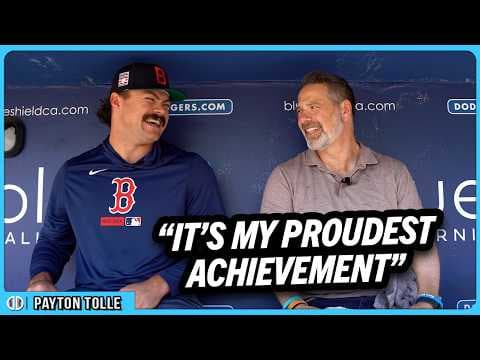
Getting to Know Payton TolleJomboy Media Baseball · August 2026 · Player interview Payton Tolle is one of the young players I wanted to know beyond the highlights. In this conversation, he talks about his family, his late mother, his teammates, and some of the lighter parts of his life. What stayed with me was not a statistic. It was the way he speaks about the people who helped him get here. After watching this, I wanted to follow more than his next start. I wanted to keep following his story.
VIDEO NOTE 4
Baseball, Rescue Dogs, and Ozzie AlbiesThe Rich Eisen Show · May 7, 2026 · Full interview Ozzie Albies talks about the Braves, but some of the most interesting parts of this interview happen away from the field. He shares the work he and his wife do with rescue dogs, the animals they live with, and his love of koi fish. It is a relaxed conversation, and his personality comes through naturally. I already knew the player. This video made me like the person too.
VIDEO NOTE 5
One Swing That Sent Tampa Bay to OctoberMLB · September 11, 2026 · Full final inning Some baseball stories do not need a long explanation. The Rays needed one more win to secure their postseason spot, and Junior Caminero ended the game with his 40th home run of the season. This video shows the full inning, so you can feel the tension before the final swing. This is the kind of moment I watch baseball for.
Sam Keeps Score09/23/2026
October Starts Now: Five Questions Shaping the 2026 MLB Playoffs
WHAT
With the regular season entering its final days, the playoff field is taking shape—but seeding, injuries, matchups, and pressure can still change how October unfolds. This box brings together five videos exploring different questions: Which teams have the clearest path? Which contenders still have a serious weakness? How much pressure is on the Yankees? How can other teams challenge the Dodgers? And does the current playoff format really reward the strongest teams? You don’t need to watch all five in order. Each video approaches October baseball from a different angle, so start with the question that interests you most. The longer videos are there if you want to dig deeper. Selected on September 23, 2026.
WHY
I wasn’t looking for five videos that simply repeated the standings or made similar predictions. What interested me was what could actually decide a short postseason series: a missing star, an uneven roster, a difficult matchup, an unexpected opponent, or even the structure of the bracket itself. I chose each video to play a different role—from a quick overview of the playoff picture to deeper comparisons of the contenders and the strategies that could shape October.
WHO
For baseball fans who want a clear view of the 2026 postseason race without watching every update, and for casual viewers looking for a way back into MLB before October begins. Choose one quick overview or settle into a longer analysis—the box is designed to work either way.
VIDEO NOTE 1
The Bracket: The Best and Worst Paths Through OctoberBefore choosing a team to follow, start with the map of October. A.J. Pierzynski and Erik Kratz break down the current postseason bracket, comparing the most favorable and most difficult paths through the playoffs—and showing how the final week could still reshape the American League picture. Use this as a quick overview, then jump to whichever matchup or team interests you most.
VIDEO NOTE 2
The Pressure: The Yankees Face a Final-Week TestThe Yankees enter the final week with their postseason position still unsettled—and Aaron Judge unavailable. CBS Sports examines what is at stake in their series against the Tampa Bay Rays, how Judge’s absence changes the lineup, and whether the rest of the roster can handle the pressure. It is a focused look at how one injury and one final series can reshape an entire path through October.
VIDEO NOTE 3
The Format: Is Baseball’s Best Division Being Punished?The American League East is home to some of baseball’s strongest teams, yet the playoff bracket could force them to eliminate one another early while weaker division winners receive more favorable paths. Rising Heat explains how division-based seeding can turn regular-season strength into a postseason disadvantage. It is a concise look at whether the current format truly rewards the best teams.
VIDEO NOTE 4
The Contenders: Ranking the Field from Strongest to ShakiestEvery playoff contender has a case for making a deep run—but not every roster is built for the same kind of October. The Windup ranks the contenders from strongest to weakest, weighing each team’s lineup, rotation, bullpen, and biggest vulnerability. It is a useful guide to the teams best prepared for short-series baseball—and the ones carrying the most risk.
VIDEO NOTE 5
The Favorite: How Can Anyone Beat the Dodgers?The Dodgers enter October as the team everyone else is measuring themselves against, but even the favorite has weaknesses that can be targeted. Robbie Hyde examines the postseason field team by team, identifying the matchups, pitching plans, offensive strengths, and pressure points that could give each opponent a path past Los Angeles. It turns “Can anyone beat the Dodgers?” into a more useful question: what would each team actually need to do?
Spottr8009/22/2026
Are Algorithms Changing Us? Attention, AI, and What Makes Us Human
WHAT
Algorithms do more than decide what appears in our feeds. They influence what holds our attention, how we work, how we use AI, and sometimes even how we understand ourselves. This PickBox brings together five videos that move from a familiar problem—why it has become so difficult to focus—to broader questions about algorithm design, automation, critical thinking, and what makes us human. Some of the videos are recent, while others were made before generative AI became part of everyday life. The older ones are included not as current predictions, but as questions worth revisiting now. If you can, watch them in order. The full journey takes about an hour.
WHY
I use recommendation feeds and AI tools every day, often without noticing how they may be changing my attention, habits, or way of thinking. Rather than deciding whether technology is simply good or bad, I wanted to ask a quieter and more personal question: As machines become capable of doing more for us, what should we continue doing for ourselves? Placed together, these videos made the subject feel less like a story about technology and more like a story about being human.
WHO
For anyone who uses social media or AI and has wondered what these tools might be changing—not only around us, but within us. No technical background is needed. This Box may be especially interesting if you care about attention, digital well-being, the future of work, critical thinking, or the relationship between technology and human life.
VIDEO NOTE 1
Attention First | Why It Has Become So Hard to FocusBefore asking how algorithms and AI may be changing us, this Box begins with something more immediate: the difficulty of holding our attention. Author and productivity expert Chris Bailey argues that the problem is not distraction alone, but overstimulation. Drawing on his own experiments with reducing digital stimulation, he explores how constantly seeking novelty can leave less room for focus, reflection, and unexpected ideas. This is less a lesson about getting more done than an invitation to notice what our minds have gradually become accustomed to. My takeaway: perhaps I am not simply bad at focusing. Perhaps my mind rarely gets the quiet it needs. Video information Original title: How to Get Your Brain to Focus | Chris Bailey | TEDxManchester Channel: TEDx Talks Published: April 8, 2019 Runtime: 15 min 57 sec
VIDEO NOTE 2
The Feed Is a Choice | Who Should an Algorithm Serve?After the first video examines what constant stimulation does to our attention, this one turns toward the systems creating much of that stimulation. Musician and Patreon co-founder Jack Conte argues that algorithms are not neutral. They reflect the priorities and business models of the people who design them. When a platform optimizes for watch time and immediate engagement, creators are pushed to chase trends while viewers are encouraged to keep scrolling. Rather than rejecting algorithms altogether, Conte proposes different priorities: long-term relationships between creators and fans, art supported by people instead of advertising, and greater control for the humans using the system. Because Conte is also the CEO of Patreon, this is not a detached academic critique. It is partly Patreon’s own product philosophy—which makes it worth watching with both curiosity and a little distance. My takeaway: an algorithm is not simply something that happens to us. Someone has decided what it should reward. Video information Original title: I’m Building an Algorithm That Doesn’t Rot Your Brain Channel: New York Times Opinion Featuring: Jack Conte, co-founder and CEO of Patreon Published: November 19, 2025 Runtime: 7 min 15 sec
VIDEO NOTE 3
Automation | Are Humans Becoming the Horses?Published in 2014—long before ChatGPT and today’s generative AI boom—this video asks what automation could mean for human work. CGP Grey begins with horses. For centuries, they were essential to transportation, farming, and industry. Then machines became cheaper and more capable, and the demand for horse labor collapsed. His unsettling question is whether “mechanical minds” could eventually do to human workers what mechanical muscles once did to horses. The video moves from transportation and routine labor to professional and creative work, challenging the comforting assumption that technology will always create enough new jobs to replace the ones it removes. Its argument is deliberately pessimistic, and some examples and figures reflect the world of 2014. It should not be treated as a settled prediction. That distance is precisely what makes it interesting now: we can compare what the video anticipated with what has—and has not—happened since. My takeaway: “new jobs will always appear” may be a reasonable hope, but it is still an assumption worth examining rather than a guarantee. Video information Current YouTube title: What Happened to Horses Is Happening to Us Original title at release: Humans Need Not Apply Channel: CGP Grey Published: August 13, 2014 Runtime: 14 min 58 sec
VIDEO NOTE 4
Critical Thinking | Let AI Help Without Letting It Think for YouThe previous video asks whether machines may replace human work. This one raises a quieter question: even when the work remains ours, are we beginning to outsource the thinking itself? AI and design researcher Advait Sarkar examines the cognitive trade-offs of using chatbots at work. When AI drafts, summarizes, and answers before we have struggled with a problem ourselves, we can become reviewers of machine output rather than active participants in our own reasoning. Sarkar is not arguing that we should stop using AI. Instead, he asks whether these tools can challenge our assumptions, reveal gaps in an argument, and encourage reflection rather than simply handing us finished answers. The distinction feels important: speed is not the same as understanding, and convenience does not always lead to learning. My takeaway: the most useful AI may not be the one that thinks for me, but the one that helps me think more carefully. Video information Original title: How to Stop AI from Killing Your Critical Thinking Channel: TED Speaker: Advait Sarkar, AI and design researcher Recorded: September 2025 at TEDAI Vienna Published: December 28, 2025 Runtime: 14 min 54 sec
VIDEO NOTE 5
The Self | What Makes You “You” When Everything Changes?This Box began by asking whether algorithms are changing us. The final video turns that question inward: what exactly is the “us” being changed? Kurzgesagt explores the self through cells, organ donation, cancer, DNA, and the body’s constant transformation. It suggests that a person may be less like a fixed object and more like a changing, self-sustaining pattern—one that continues even as its physical parts are replaced. Published in 2016, this is best approached as a science-based thought experiment rather than a current biology lesson. Its value lies in the question it leaves behind: if our bodies, attention, work, and ways of thinking keep changing, what allows us to remain ourselves? My takeaway: algorithms may influence what I see and how I think, but understanding that influence begins with asking what kind of person I want to keep becoming. Video information Original title: What Are You? Channel: Kurzgesagt – In a Nutshell Published: May 31, 2016 Runtime: 6 min 27 sec Note: Part of a collaboration with CGP Grey
Spottr8005/20/2026
I Watched These. Then I Looked at My Life.
WHAT
I didn't set out to find these three together. One came from a late-night rabbit hole. Another came from a friend who said, “Just watch it.” The third I almost skipped because the thumbnail looked boring. They draw from different films, eras, and perspectives. But something connects them — something I couldn't name until I'd watched all three in one sitting. It has to do with time. And attention. And the feeling that life is happening slightly faster than you're actually living it. Watch them in order if you can. Just over 32 minutes in total.
VIDEO NOTE 1
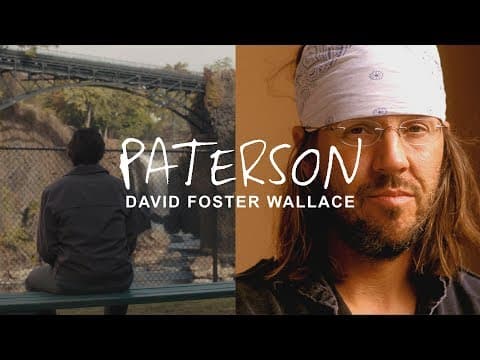
What Paterson Taught Me About Paying AttentionPaterson is a bus driver whose days follow a quiet routine: he drives the same route, listens to the people around him, writes poems, and returns home. Through Jim Jarmusch’s film and David Foster Wallace’s ideas about attention, this essay asks whether a meaningful life requires extraordinary achievements—or whether meaning can also be found in how carefully we notice ordinary things. What stayed with me was the idea that attention itself can be a form of care. It feels like the right place to begin a Box about time, meaning, and how we are living. Good for: anyone who feels as though nothing important is happening in their life right now. Video information Original title: Everyday Virtue | Paterson & David Foster Wallace Channel: Like Stories of Old Published: May 26, 2017 Runtime: 8 min 12 sec
VIDEO NOTE 2
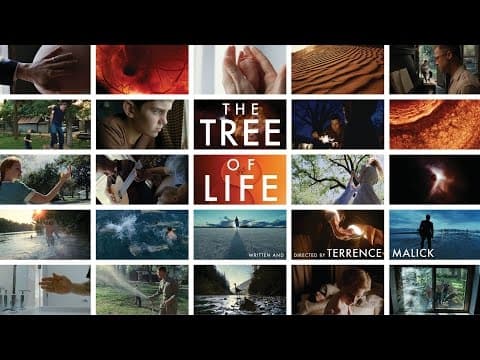
How The Tree of Life Turns One Family’s Story into a UniverseThe first video finds meaning in everyday routines. This one suddenly widens the frame. Terrence Malick’s The Tree of Life begins with memories of a family in 1950s Texas, then reaches all the way back to the birth of the universe. Like Stories of Old explores how fragmented memories, images of nature, sound, and editing bring an intimate family story and cosmic time into the same emotional space. Rather than reducing the film to one clear explanation, the essay helps us understand how its unusual form creates meaning. I had watched The Tree of Life twice before and found it beautiful but distant. After this essay, it felt less like a puzzle to solve and more like an experience to enter. Good for: a quiet evening when you are in the mood to think. ※ This essay discusses major scenes and themes from the film. Video information Original title: The Tree of Life | Crafting an Existential Masterpiece Channel: Like Stories of Old Published: May 7, 2017 Runtime: 19 min 25 sec
VIDEO NOTE 3
Ikiru Asks What Makes a Life Worth LivingThe first two videos ask us to look more closely at everyday life. The final one confronts us with how little time we may have to do so. Akira Kurosawa’s 1952 film Ikiru follows Kanji Watanabe, a longtime bureaucrat who learns that he is terminally ill and realizes how little of his life has truly felt alive. This video essay examines how the film moves from fear and emptiness toward purposeful action. Through Watanabe’s story, it explores mortality, bureaucracy, legacy, and the quiet dignity of doing one meaningful thing for someone else. What stayed with me was not simply the reminder that life is short. It was the thought that being alive may begin when we stop postponing what matters. Good for: a moment when life feels repetitive or your priorities need resetting. ※ This essay discusses the film’s major scenes and ending. Video information Original title: Life Is Brief | Ikiru (1952) Video Essay Channel: Kuya Sunset Published: May 1, 2019 Runtime: 4 min 43 sec
지식러셀10/26/2026
아이폰 듀오, 실사용부터 내구성 논란까지 야무지게 모아봄. ②
WHAT
✨비슷한 이야기가 반복되지 않도록, 영상마다 다른 궁금증을 채워주는 5개 채널의 영상을 골랐습니다. 실사용 후기부터 화면 비교 실험, 내구성 논란과 구매자의 고민까지 한곳에서 살펴봅니다. 마지막에는 AI 글래스로 시야를 넓혀, 스마트폰 다음의 가능성도 생각해봅니다. 각 영상을 고른 이유와 주목할 구간도 함께 덧붙였습니다. 궁금한 영상부터 골라 보셔도 좋아요. 📌 이 순서로 보면 좋은 이유 영상 1: 먼저 생활 속 사용 장면을 보며, 아이폰 듀오의 매력과 불편을 살펴봅니다. 영상 2: 사용하면서 느낀 화면의 차이를 구체적인 비교 실험으로 확인합니다. 영상 3: 화면에서 내부 구조로 한 단계 들어갑니다. 내구성 테스트를 거친 기기를 분해하며 파손 경로를 살펴봅니다. 영상 4: 이번에는 구매자 입장에서 생각해봅니다. 어떤 부담이 생기는지, 제조사에 어떤 대응을 기대할 수 있는지 짚어봅니다. 영상 5: 마지막에는 AI 글래스로 시야를 넓혀, 스마트폰 다음의 사용 방식까지 생각해봅니다. 순서대로 보면 질문이 조금씩 깊어지지만, 궁금한 영상부터 골라 보셔도 좋아요. 📦 이 박스에 담은 이야기 아이폰이 접힌다는 소식에 궁금했던 것은, 실제로 쓰면 무엇이 달라질까 하는 점이었다. 출시 후에는 질문이 조금 더 구체적으로 바뀌었다. 큰 화면은 일상에서 얼마나 유용할까? 나노 텍스처는 무엇을 얻고 무엇을 포기한 선택일까? 화면 파손 논란은 어떻게 바라봐야 할까? 생활 속 사용기부터 화면 비교 실험, 내구성 테스트 후 분해 분석, 구매자 입장의 의견까지 다섯 영상을 모았다. 마지막에는 AI 글래스로 시야를 넓혀, 앞으로도 우리는 스마트폰 화면을 펼쳐서 일을 처리하게 될지 생각해본다. 각 영상의 사용 경험과 실험 조건, 제작자의 해석을 구분하며 보면 좋겠다. 특히 파손 원인에 관한 분석은 공식적으로 확정된 결론과 구분할 필요가 있다. ※ 2026년 10월 26일 기준으로 구성했습니다.
VIDEO NOTE 1
아이폰 듀오 빡세게 쓰는 중.. 좋긴 한데 이건 알고 사셔야 합니다📱 접히는 화면은 내 하루를 어떻게 바꿔줄까? 아이폰 듀오를 약 5일간 사용하며 느낀 장단점과 활용법을 소개하는 영상이다. 화면을 세워 영상을 보고, 분할 키보드로 글을 쓰고, 차 안에서 내비게이션으로 사용하는 모습까지 일상적인 장면을 두루 살펴본다. 큰 화면이 유용한 순간도 있지만, 무게와 거치 방식, 앱의 화면 구성처럼 직접 사용해야 알 수 있는 불편도 등장한다. 같은 기능이라도 평소 어떤 앱을 쓰고 무엇을 자주 하는지에 따라 만족도가 달라질 수 있겠다는 생각으로 보면 좋겠다. 이 박스에서는 생활 속 쓰임부터 살펴보고 싶어 첫 번째로 골랐다. 뒤이어 나오는 비교 실험과 내구성 이야기를 보기 전에, 내가 이 제품으로 무엇을 하고 싶은지 먼저 떠올려볼 수 있는 영상이다. ⏱ 골라 보기 06:20 폴드8과 영상 화면 비율 비교 10:30 사파리 사용성과 분할 키보드 11:46 화면을 세워 쓰는 프리스탑·랩탑 모드 15:39 내비게이션과 차량 거치 실사용 22:00 스탠바이 모드 활용 영상: 사야되나? / SYADNA 공개일: 2026년 10월 25일
VIDEO NOTE 2
아이폰 듀오 솔직 리뷰 | 1만원 필름 vs 나노 텍스처 실험 | 329만 원, 기대가 컸던 만큼...🔍 주름이 덜 보이는 화면, 선명함도 같을까? 오랫동안 폴더블폰을 사용해 온 제작자가 직접 구매한 아이폰 듀오의 첫 사용 경험을 전한다. 특히 폴드8에 1만 원짜리 저반사 필름을 붙여 나노 텍스처와 비교하는 실험이 눈길을 끈다. 같은 조명 아래에서 주름이 어떻게 보이는지 확인하고, 현미경으로 표면을 살펴본 뒤 야외에서도 화면을 비교한다. 반사를 줄이는 효과, 색의 선명함, 손끝에 닿는 느낌을 나누어 살펴보는 것이 이 영상의 관전 포인트다. 나노 텍스처의 부드러운 촉감과 아쉬운 화면 표현을 함께 다루며, 어떤 특성을 더 중요하게 생각하는지에 따라 평가가 달라질 수 있음을 보여준다. 첫 영상에서 생활 속 쓰임을 살펴봤다면, 이번에는 그 사용감을 만드는 화면의 차이를 조금 더 들여다보고 싶어 골랐다. 제작자의 하루 사용을 바탕으로 한 초기 리뷰인 만큼, 장기적인 평가보다는 비교 장면과 구체적인 관찰에 주목하면 좋겠다. ⏱ 골라 보기 01:53 폴드8에 저반사 필름을 붙여 비교하기 03:12 나노 텍스처와 일반 저반사 필름 분석 05:08 야외에서 반사와 색 표현 비교 07:12 화면 분할에서 느낀 제약 12:28 하루 사용 후 정리한 장점과 아쉬움 영상: B-NOTE 비노트 공개일: 2026년 10월 25일
VIDEO NOTE 3
아이폰 듀오 디스플레이 이슈 원인 발견🔧 화면 안쪽에서는 무슨 일이 있었을까? 역방향으로 힘을 가하는 내구성 테스트를 거친 아이폰 듀오를 분해해, 화면 파손과 관련된 내부 구조를 살펴보는 영상이다. 손상된 힌지 부품과 디스플레이의 충격 흔적을 대조하며, 어떤 과정을 거쳐 화면이 깨졌을지 분석한다. 약 3분의 짧은 영상이지만, 부품의 움직임과 손상 위치를 함께 보여줘 문제를 구체적으로 이해하는 데 도움이 된다. 제작자는 발견한 흔적을 설명하면서도, 내부 부품이 잘못 맞물리게 된 더 근본적인 원인에는 추가 확인이 필요하다고 이야기한다. 앞선 영상에서 눈에 보이는 화면의 차이를 살펴봤다면, 이번에는 그 화면을 지탱하는 내부 구조까지 들여다보고 싶어 골랐다. 다만 강한 압력을 가한 테스트 기기의 분석이므로, 일반 사용 중 발생한 모든 파손의 원인까지 확정한 것으로 받아들이지는 않는 것이 좋겠다. ⏱ 골라 보기 00:39 테스트 중 파손이 발생한 상황 01:03 분해로 확인한 힌지 손상과 파손 경로 02:20 아직 남아 있는 원인에 대한 질문 영상: 궁금하기 CuriousHagi 공개일: 2026년 10월 26일
VIDEO NOTE 4
난리 났다는 아이폰 듀오 상황💬 제품에 문제가 생겼을 때, 사용자는 무엇을 기대할 수 있을까? 아이폰 듀오의 화면 파손 제보가 나온 상황을 구매자 입장에서 짚어보는 영상이다. 제작자 본인의 기기는 파손되지 않은 상태지만, 같은 제품을 사용하는 사람으로서 느끼는 불안과 애플에 기대하는 대응을 이야기한다. 수리 비용과 보장 조건, 교환과 보상에 관한 이야기는 제품을 고를 때 생각해야 할 범위를 넓혀준다. 구매할 때의 가격과 사용 만족도에 더해, 문제가 생겼을 때 얼마나 안심하고 도움을 받을 수 있는지도 중요한 선택 기준이 된다. 앞선 분해 영상에서 내부 구조를 살펴봤다면, 이번에는 그 문제가 사용자의 생활과 부담으로 어떻게 이어지는지 생각해보고 싶어 골랐다. 영상에서 언급하는 파손 원인과 향후 대응에는 제작자의 추정과 의견도 포함돼 있으므로, 공식적으로 확인된 내용과 구분하며 보면 좋겠다. ⏱ 골라 보기 00:27 내부 구조를 바탕으로 살펴보는 원인 추정 01:39 사용자 입장에서 바라본 파손 논란 03:19 수리 비용과 보장 조건에 관한 이야기 06:23 앞으로 제조사의 대응을 지켜봐야 하는 이유 영상: UNDERkg 공개일: 2026년 10월 26일
VIDEO NOTE 5
“애플 몰락 벌써 시작됐다” 329만원 듀오 화면 파손, 아이폰 무너뜨릴 의외의 복병👓 앞으로도 우리는 스마트폰 화면을 펼치게 될까? 메타의 AI 글래스를 직접 사용해 본 경험을 바탕으로, 스마트폰 이후의 사용 방식을 생각해보는 영상이다. 현재 제품에서 느낀 불편과 한계를 짚으면서도, 화면을 켜고 앱을 찾아 들어가는 과정이 줄어들면 어떤 변화가 생길지 전망한다. 앞선 영상들에서는 접히는 화면의 쓰임과 품질, 내구성, 구매자의 부담을 살펴봤다. 마지막에는 시야를 조금 넓혀보고 싶었다. 화면을 더 크게 펼치는 기술이 발전하는 동안, 다른 한쪽에서는 화면을 직접 조작할 필요를 줄이는 시도가 이어지고 있기 때문이다. 아이폰 듀오의 구매 판단에서 한 걸음 더 나아가, 앞으로 어떤 기기가 우리의 일상에 들어올지 생각해볼 수 있어 마지막으로 골랐다. 제목의 ‘애플 몰락’은 제작자의 해석과 전망을 강하게 표현한 문구다. 직접 사용하며 확인한 경험과 미래에 대한 예측을 나누어 보면 좋겠다. ⏱ 골라 보기 01:24 AI 글래스를 직접 사용하며 느낀 장단점 07:16 애플과 스마트폰 시장에 대한 제작자의 분석 10:51 새로운 사용 방식의 가능성과 남아 있는 과제 영상: 에스오디 SOD 공개일: 2026년 10월 26일 🌱 다섯 영상을 지나, 다시 나의 선택으로 처음에는 아이폰 듀오와 폴드8 중 무엇을 고를지 궁금해 시작했다. 사용기와 비교 실험, 분해 분석을 따라가다 보니 질문이 조금씩 늘어났다. 나는 큰 화면을 언제 필요로 할까? 어떤 불편까지 감수할 수 있을까? 문제가 생겼을 때는 어떤 도움을 기대할 수 있을까? 같은 제품을 보고도 서로 다른 평가가 나오는 이유에는 각자의 생활과 기준이 있을 것이다. 이 박스가 여러분에게 필요한 기능과 놓치고 싶지 않은 조건을 찾아보는 계기가 되었으면 좋겠다. 그리고 마지막으로 질문 하나를 남겨본다. 앞으로 내게 더 필요한 것은, 더 크게 펼치는 화면일까, 화면을 덜 들여다봐도 되는 편리함일까?
  1. 1
  2. 2
  3. 3
  4. 4
  5. 5

5 Picks · Total duration 1:01:50

지식러셀10/26/2026
애플도 접었다, 이제 어떤 폴더블을 고를까?
WHAT
아이폰도 드디어 접힌다는 소식을 듣고, 갤럭시 Z 폴드8과는 무엇이 다른지 궁금해졌다. 2026년 8월 7일 국내 출시된 갤럭시 Z 폴드8과, 10월 23일 출시를 앞둔 애플의 첫 폴더블폰 아이폰 듀오. 두 제품을 직접 살펴본 영상부터 실제 사용 후기, 성능 점검, 구매 관점의 비교까지 찾아 한곳에 모았다.
WHY
신제품 영상들을 보다 보면 디자인과 첫인상에 관한 이야기가 반복될 때가 많다. 그래서 비슷한 내용의 영상보다는 아이폰 듀오의 첫인상과 아쉬운 점, 갤럭시 Z 폴드8의 실사용 경험과 성능, 두 회사가 폴더블폰을 바라보는 방식처럼 서로 다른 궁금증을 채워주는 영상을 골랐다. 아직 아이폰 듀오는 출시 전이라 두 제품을 완전히 같은 조건에서 비교한 것은 아니다. 현재 확인할 수 있는 정보와 먼저 공개된 체험 영상을 바탕으로 정리했으며, 출시 이후에는 실제 사용 후기도 더해볼 생각이다.
WHO
폴더블폰이 궁금한 사람, 갤럭시 Z 폴드8을 지금 살지 아이폰 듀오를 기다릴지 고민하는 사람에게 추천한다. 스펙표만 보는 것보다 실제로 무엇이 편하고 아쉬운지, 나에게는 어느 쪽이 더 잘 맞을지 천천히 비교해보고 싶은 사람에게도 도움이 될 것 같다. ※ 이 박스는 2026년 9월 20일을 기준으로, 아이폰 듀오 출시 전 공개된 체험 영상과 갤럭시 Z 폴드8의 실사용 경험을 모았습니다. 출시 후 직접 사용해 본 이야기와 비교 실험, 새롭게 제기된 질문들은 후속 박스 「애플도 접었다 ②|직접 써보니 달라진 질문들」에서 이어갑니다.
VIDEO NOTE 1
애플의 첫 폴더블, 아이폰 듀오를 직접 만져보니【먼저 볼 만한 구간】 01:48 여권처럼 짧고 넓어진 디자인 07:54 아이폰 듀오의 핵심으로 꼽은 소프트웨어 15:36 직접 살펴본 뒤의 첫인상과 총평 2026년 9월 10일 공개된 영상으로, 잇섭채널이 미국 애플 행사에서 아이폰 듀오를 직접 체험하며 디자인부터 소프트웨어까지 전반적인 특징을 살펴본다. 아이폰 듀오는 접었을 때 5.4인치, 펼쳤을 때 7.6인치 화면을 사용하는 애플의 첫 폴더블폰이다. 여권처럼 짧고 넓은 비율, 티타늄 소재의 프레임과 힌지, 화면을 접고 펼칠 때 자연스럽게 이어지는 UI가 주요 특징으로 소개된다. 특히 기존 폴더블폰과 비슷한 하드웨어보다, 두 화면을 연결하는 애니메이션과 앱 배치 등 애플이 폴더블 화면을 소프트웨어로 어떻게 풀어냈는지를 눈여겨볼 만하다. 성능과 카메라, 배터리·충전, 254g의 무게와 국내 출고가 329만 원에 관한 정보도 함께 확인할 수 있다. 다만 정식 출시 전 행사장에서 체험한 영상이므로 배터리 지속시간이나 내구성, 장기간 사용 편의성을 평가한 리뷰와는 구분해서 보는 것이 좋다. 국내에서는 10월 16일 사전 주문을 시작해 10월 23일 출시될 예정이다.
VIDEO NOTE 2
329만 원의 아이폰 듀오, 무엇이 아쉬웠을까【먼저 볼 만한 구간】 05:05 두 개 앱으로 제한된 멀티태스킹 06:11 망원 카메라가 빠진 아쉬움 06:20 국내 가격 329만 원에 대한 평가 2026년 9월 10일 공개된 디에디트 채널의 아이폰 듀오 현장 체험 영상이다. 1번 영상이 제품의 전반적인 특징을 폭넓게 보여준다면, 이 영상은 직접 사용하며 발견한 장점과 아쉬움을 조금 더 솔직하게 짚는다. 화면 주름을 줄이기 위한 나노 텍스처, 내부 카메라를 화면 아래 숨긴 UDC, 완성도 높은 화면 전환과 UI는 인상적인 부분으로 소개된다. 터치 ID와 스피커, 방진·방수, 향후 지원될 애플 펜슬도 함께 살펴볼 수 있다. 반면 멀티태스킹은 최대 두 개 앱으로 제한되고 화면 비율을 자유롭게 조절하기 어렵다. 300만 원이 넘는 제품에 망원 카메라가 빠졌다는 점과 국내 가격이 329만 원부터 시작한다는 것도 구매를 망설이게 하는 요소로 지적한다. 아이폰 듀오에 관한 내용은 약 00:10부터 07:06까지다. 07:07 이후에는 아이폰 18 Pro 시리즈와 다른 애플 신제품 이야기로 넘어가므로, 듀오만 궁금하다면 앞부분을 중심으로 보면 된다. 이 영상 역시 정식 출시 전 짧게 체험한 내용을 바탕으로 하므로 장기간 사용 후기는 아니다. 좋아 보이는 부분은 분명했지만, 329만 원이라는 숫자를 보는 순간 작은 아쉬움도 더 크게 느껴졌다.
VIDEO NOTE 3
한 달 써본 갤럭시 Z 폴드8, 일상에서는 어땠을까【먼저 볼 만한 구간】 03:05 본격적인 한 달 사용 후기 11:10 주름·배터리·발열·독서에 관한 질문 16:31 다시 사겠는가, 다른 사람에게 추천하는가 2026년 9월 6일 공개된 영상으로, 마르마니 채널이 갤럭시 Z 폴드8을 약 한 달 동안 사용하며 느낀 장점과 불편한 점을 정리한다. 영상 설명에서는 광고가 아닌 실제 사용 후기라고 밝히고 있다. 이 영상에서 확인할 수 있는 내용은 다음과 같다. 실제로 폰을 얼마나 자주 펼쳐서 사용하는지 무게가 일상에서 어느 정도 부담되는지 펼쳤을 때의 화면 크기와 비율이 어떤 상황에서 유용한지 카메라와 화면 주름, 배터리, 발열은 어땠는지 독서와 콘텐츠 감상, 일정 관리 방식이 어떻게 달라졌는지 한 달을 다시 시작해도 같은 제품을 선택할 것인지 수치나 벤치마크보다 일상에서 폴더블폰을 어떻게 사용하게 되는지에 초점을 맞춘 영상이다. 특히 처음에는 기존 스마트폰보다 불편하게 느껴졌지만, 사용하면서 큰 화면의 편리함에 적응해가는 과정이 솔직하게 담겨 있다. 앞부분에는 휴대폰 케이스와 캘린더 앱 이야기가 포함되어 있다. 갤럭시 Z 폴드8의 본격적인 사용 후기는 03:05부터 시작한다. 사양표보다 더 궁금했던 것은 결국 매일 펼쳐 쓰게 되는가였는데, 그 질문에 가장 현실적으로 답해주는 영상이었다.
VIDEO NOTE 4
53g의 차이, 삼성과 애플은 무엇을 우선했을까【먼저 볼 만한 구간】 01:48 애플은 줄이지 않은 무게와 두께로 무엇을 넣었나 02:45 삼성과 애플이 선택한 서로 다른 설계 방향 05:16 두 회사가 겨냥하는 사용자층의 차이 2026년 9월 12일 공개된 영상으로, 비노트 채널이 갤럭시 Z 폴드8과 아이폰 듀오의 무게 차이를 통해 삼성과 애플의 폴더블 전략을 비교한다. 갤럭시 Z 폴드8은 201g, 아이폰 듀오는 254g으로 두 제품은 53g 차이가 난다. 영상은 이 차이가 단순한 기술력의 우열보다, 두 회사가 폴더블폰에서 무엇을 더 중요하게 생각했는지를 보여준다고 해석한다. 삼성은 폴더블폰을 사용하지 않던 사람도 부담 없이 선택할 수 있도록 일반 스마트폰에 가까운 무게와 두께를 만드는 데 집중했다. 반면 애플은 무게를 더 줄이기보다 티타늄 힌지와 방진·방수, 내부 카메라, 열 관리, 애플 펜슬 지원 등 첫 제품에 넣고 싶은 기능을 가능한 한 유지하는 방향을 선택했다는 분석이다. 영상 후반에는 두 회사가 바라보는 사용자도 다르다고 설명한다. 삼성은 폴더블폰 자체를 망설이던 사람에게 다가가려 하고, 애플은 이미 무거운 Pro Max 모델을 사용하던 이용자에게 더 큰 화면이라는 새로운 선택지를 제시했다는 것이다. 무게와 제품 사양은 확인할 수 있는 정보지만, 두 회사의 의도와 목표 사용자에 관한 부분은 공식 발표가 아니라 영상 제작자의 분석이다. 정답으로 받아들이기보다 두 제품의 차이를 이해하는 하나의 관점으로 보면 좋다. 사양표에 적힌 53g이 단순한 숫자가 아니라, 두 회사가 생각하는 ‘좋은 폴더블’의 차이처럼 보이기 시작했다.
VIDEO NOTE 5
폴드8과 아이폰 듀오, 결국 무엇을 기준으로 고를까【먼저 볼 만한 구간】 00:52 국내 가격 비교 09:34 성능 비교 시작—이후 카메라와 배터리로 이어짐 11:57 어떤 제품이 자신에게 맞는지 판단하는 기준 2026년 9월 16일 공개된 영상으로, 만능혁키 채널이 갤럭시 Z 폴드8과 아이폰 듀오의 가격과 사양, 사용 방식을 구매자의 관점에서 비교한다. 256GB 기준 국내 가격은 갤럭시 Z 폴드8이 약 227만 원, 아이폰 듀오가 329만 원으로 약 100만 원 차이가 난다. 무게도 폴드8은 201g, 아이폰 듀오는 254g으로 휴대성을 중요하게 생각한다면 체감 차이가 클 수 있다. 영상에서는 다음과 같은 항목을 차례로 비교한다. 국내외 가격과 저장 용량 외부·내부 화면과 화면 비율 UDC와 펀치홀 카메라의 차이 S펜과 애플 펜슬 지원 힌지와 방진·방수 제품의 두께와 무게 성능과 카메라, 배터리 물리 SIM과 eSIM 삼성과 애플 생태계의 차이 갤럭시 Z 폴드8은 얇고 가벼운 휴대성과 여러 세대를 거치며 쌓인 완성도가 강점으로 정리된다. 아이폰 듀오는 더 무겁고 가격도 높지만, 애플 펜슬과 맥세이프, 방진·방수 등 애플 생태계 이용자가 기다렸던 기능을 한 제품에 담았다는 점이 특징으로 소개된다. 다만 폴드8에 관한 내용은 한 달 이상 사용한 경험이 반영된 반면, 아이폰 듀오는 정식 출시 전 공개된 사양과 다른 채널의 현장 체험 영상을 바탕으로 비교한다. 영상에서도 일부 정보가 달라질 수 있다고 밝히고 있으며, 공식적으로 공개되지 않은 배터리 용량과 충전 사양 등은 예상 정보와 구분해서 볼 필요가 있다. 결국 어느 제품이 더 좋으냐보다 내가 감당할 수 있는 무게와 가격, 이미 사용하고 있는 생태계가 선택을 결정한다는 생각이 들었다.
+